
Electric Vehicle (EV) Charging Stations
The first question on any charging station request is whether the existing electrical infrastructure can carry the extra load.
The simultaneity factor is what decides sizing
AC charging units typically run in the 7-22 kW range, while DC fast charging can go above 50 kW. At stations where several units operate at once, leaving the simultaneity factor out of the calculation results in a connection that's either oversized or short on capacity.
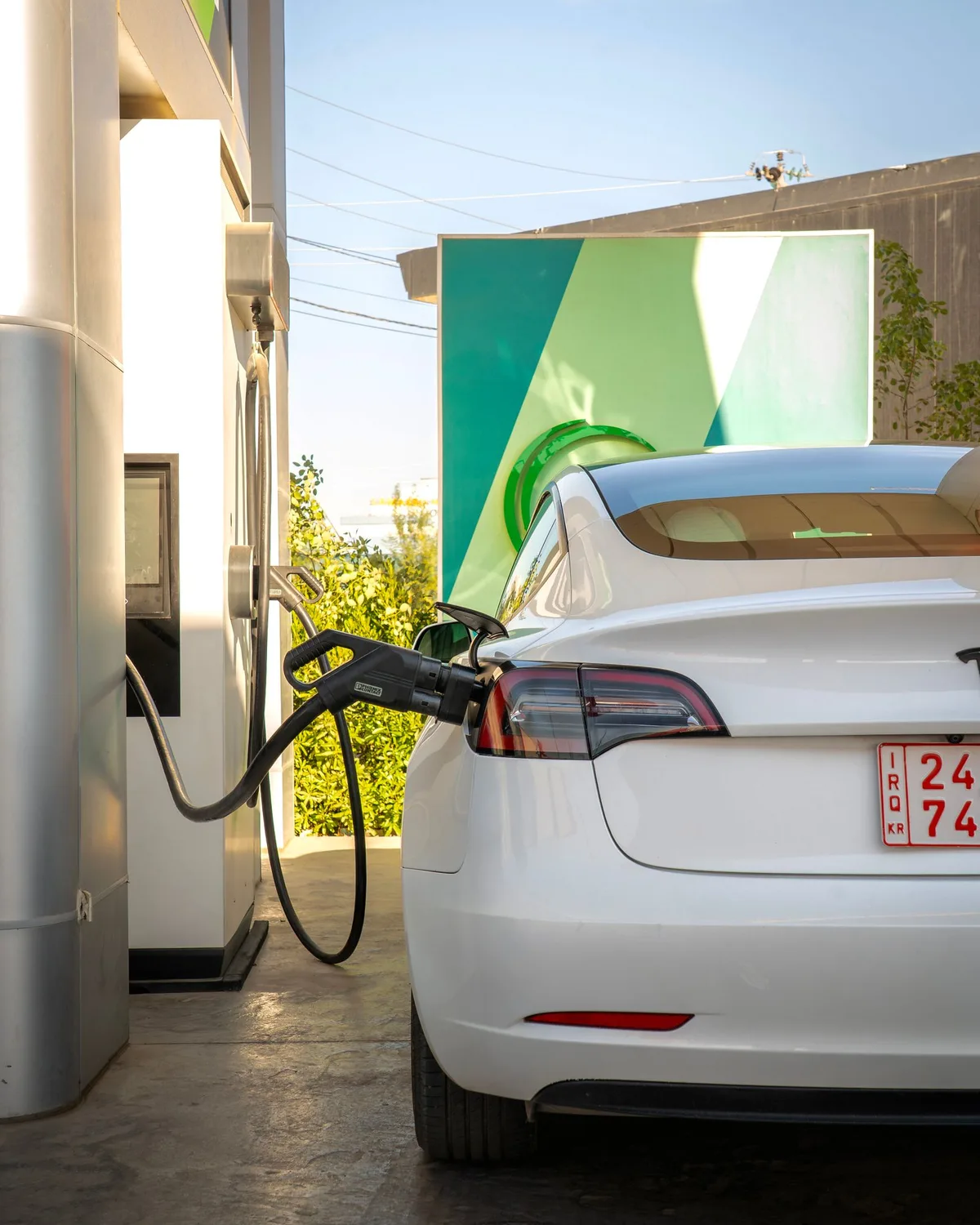
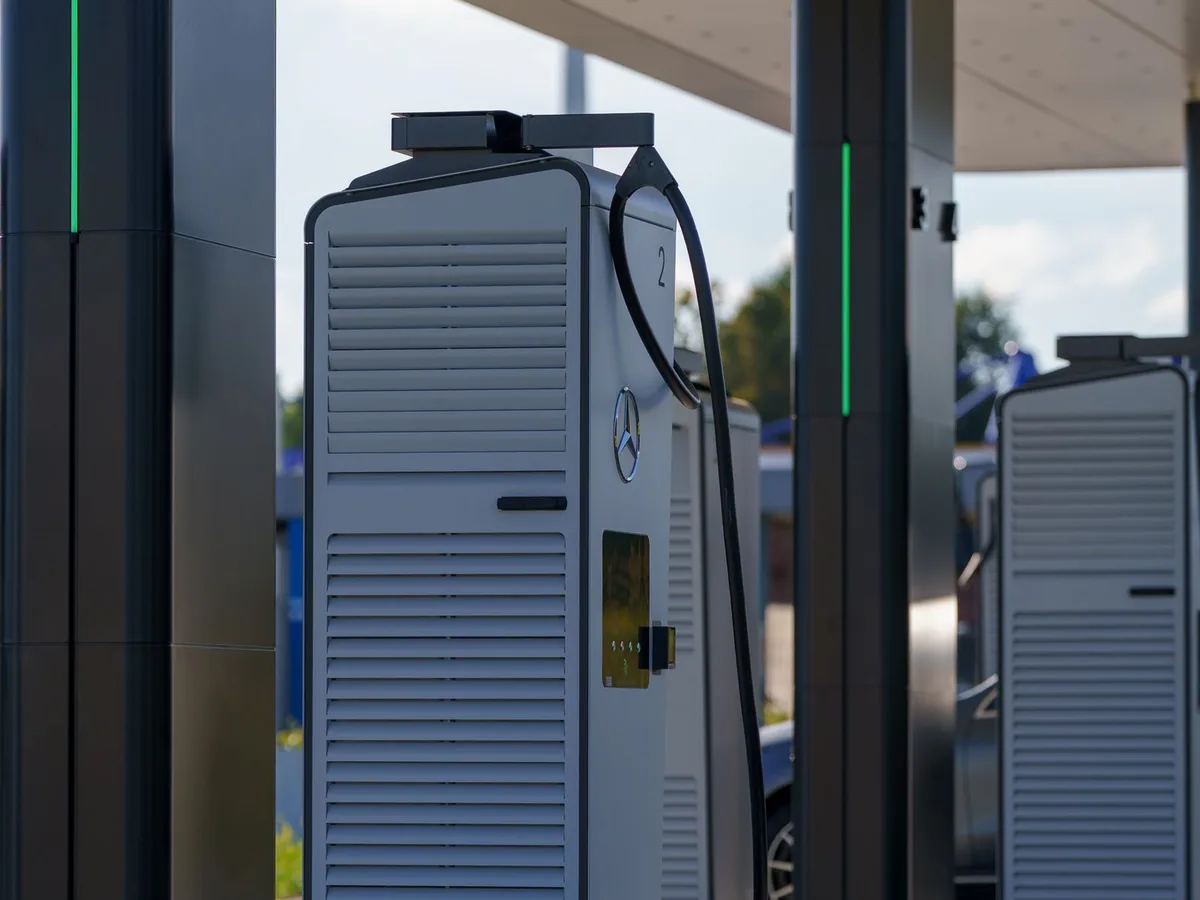
A single DC fast charging unit can draw more power than ten AC charging points running at the same time.
What's Included
- AC and DC charging unit installation
- Power analysis and simultaneity factor calculation
- Dynamic load management system integration
- Cable routing and panel design
- Coordination on projects requiring a transformer connection
- Charging management software integration
- Function tests and user training
AC charging
Conversion happens in the vehicle's own onboard charger, so the infrastructure stays relatively simple; it's the common choice for residential and workplace car parks.
DC fast charging
Conversion happens on the station side, which calls for a stronger LV connection and sometimes a dedicated transformer; it's the preferred option for highway-side stations.
Standards We Apply
Frequently Asked Questions
Is the existing meter capacity enough for a charging station?
Does DC fast charging require a dedicated transformer?
What does dynamic load management do?
How long does installation take?
Request a Quote for This Service
Give us a brief outline of your project and our team will get in touch.
+90 532 312 00 59 Get a Quote