
Cable Terminations and Transmission Lines
A poorly made cable termination is one of the most common causes of a fault that only shows up years later.
The risk at the cut point
Terminating and jointing HV and MV cables has to restore an even electric field distribution at every point where the insulation is cut. A job done wrong lets the electric field concentrate at the cut point, which leads to insulation breakdown over time.
What's Included
- HV and MV cable termination assembly
- Heat-shrink and cold-shrink type selection
- Cable jointing
- Transmission line route planning
- Cable thermal resistance and spacing calculation
- Insulation resistance and partial discharge testing
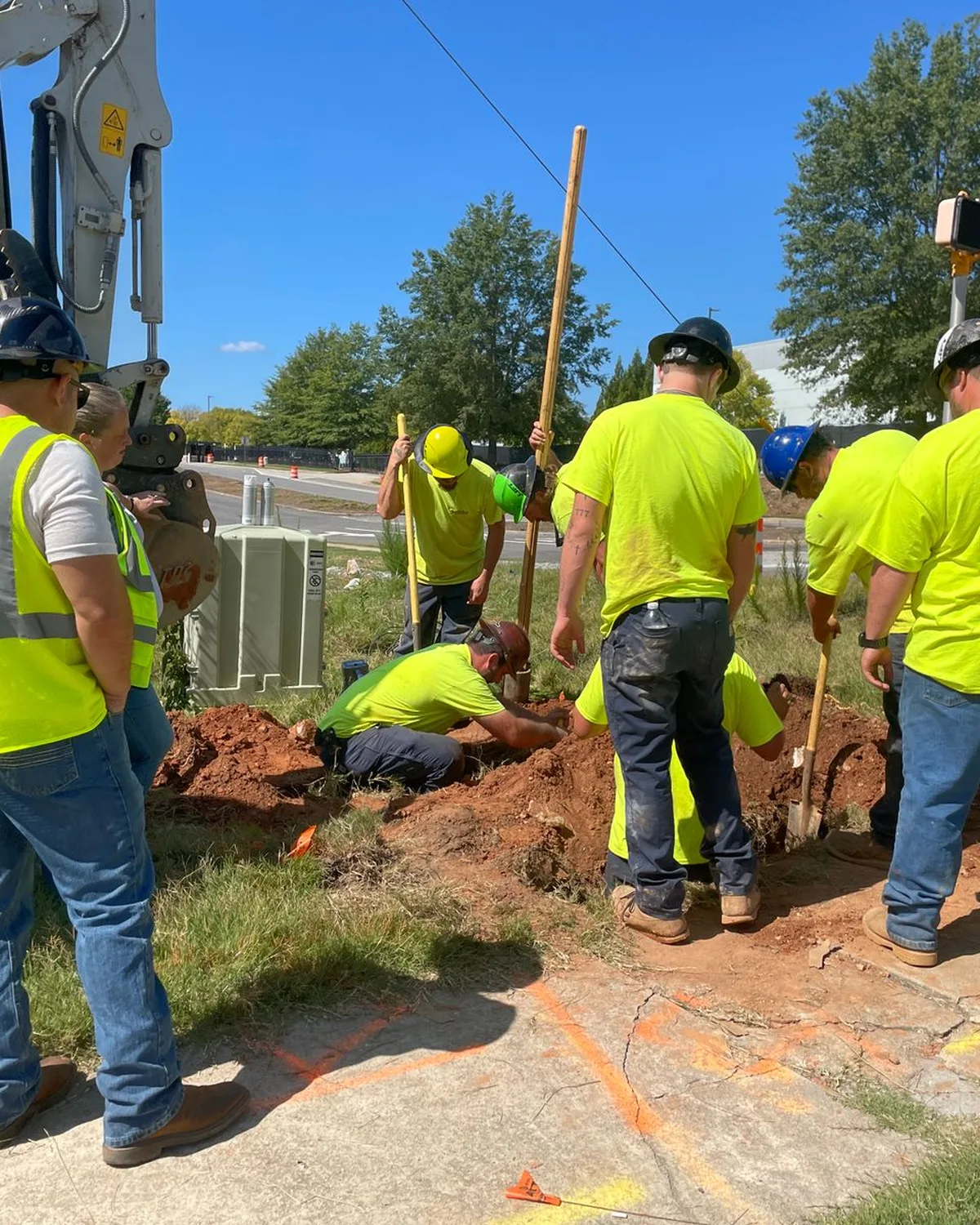
Direct burial
This is the most economical laying method, but it can't be used at road crossings or along routes where digging isn't possible.
Horizontal directional drilling (HDD)
This is the preferred method along routes where digging isn't possible; the upfront cost is higher.
A single assembly error in a cable termination can surface years later as an insulation breakdown.
Frequently Asked Questions
What is the difference between heat-shrink and cold-shrink terminations?
Why does partial discharge testing matter?
Do cables laid in parallel affect each other?
Request a Quote for This Service
Give us a brief outline of your project and our team will get in touch.
+90 532 312 00 59 Get a Quote