
Earthing Measurements
Earth resistance measurement has a direct bearing on human safety at the moment a fault occurs.
Why measurement method changes the result
The job of an earthing system is to carry a fault current safely into the ground and keep the voltage that people nearby would be exposed to below the limit values.
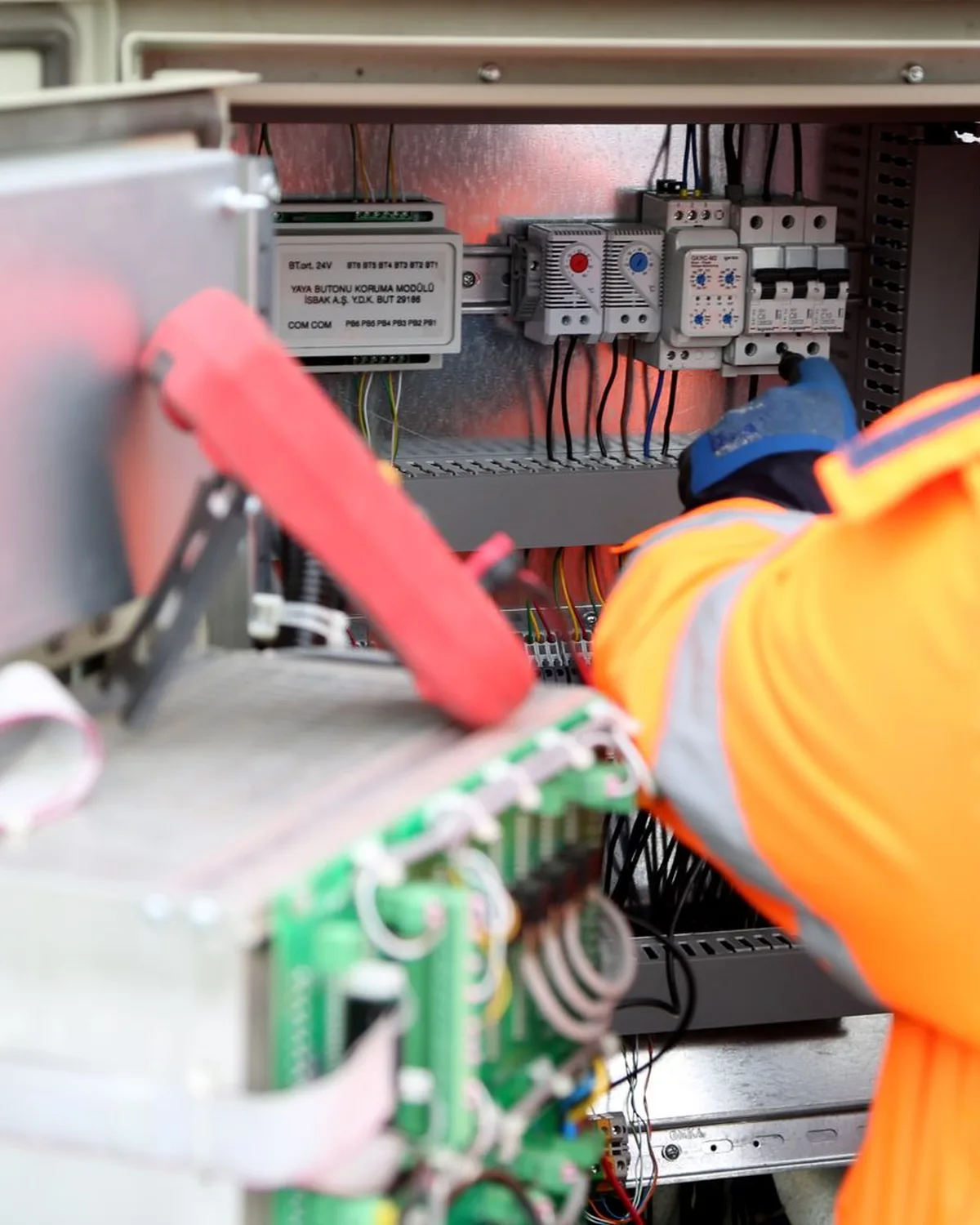

What's Included
- Earth resistance measurement
- Step and touch voltage calculation
- Fall-of-potential method measurement
- Clamp-on quick-check measurement
- Seasonal variation record
- Measurement report and improvement recommendation
Fall-of-potential method
The standard method, carried out with a three-point measurement; reliable but time-consuming.
Clamp-on method
Preferred for quick checks on large switchyards, since it requires no auxiliary electrode.
An earth resistance value above the limit can push the step voltage to a dangerous level at the moment of a fault.
Frequently Asked Questions
How often should earthing measurement be repeated?
Once a year is generally recommended, and the interval can be shortened at sites with variable soil conditions.
Does the measurement result vary by season?
Yes, soil moisture directly affects the resistance value, which is why the measurement conditions are noted separately in the report.
What happens if the result exceeds the limit value?
Adding extra electrodes or extending the existing earthing grid is recommended, and the measurement is repeated after the improvement.
Request a Quote for This Service
Give us a brief outline of your project and our team will get in touch.
+90 532 312 00 59 Get a Quote